Run in a terminal
codex mcp add learnthat --url https://learnthat-mcp-3bqygzrtsa-uc.a.run.app/mcp
codex mcp get learnthat
After login, restart or open a fresh Codex session so the tools are available.
LearnThat gives your coding agent a small learning loop.
Add LearnThat as a remote HTTP MCP server. The agent discovers the tools, opens OAuth when required, then weaves small learning moments into the work.
codex mcp add learnthat --url https://learnthat-mcp-3bqygzrtsa-uc.a.run.app/mcp
codex mcp get learnthatAfter login, restart or open a fresh Codex session so the tools are available.
claude mcp add --scope user --transport http learnthat https://learnthat-mcp-3bqygzrtsa-uc.a.run.app/mcp
# In Claude Code, run /mcp and choose Authenticate
User scope makes the server available across projects.
{
  "mcpServers": {
    "learnthat": {
      "url": "https://learnthat-mcp-3bqygzrtsa-uc.a.run.app/mcp"
    }
  }
}
Use this shape for clients that read an mcpServers JSON config.
{
  "servers": {
    "learnthat": {
      "type": "http",
      "url": "https://learnthat-mcp-3bqygzrtsa-uc.a.run.app/mcp"
    }
  }
}
If your client asks for a server URL directly, use https://learnthat-mcp-3bqygzrtsa-uc.a.run.app/mcp.
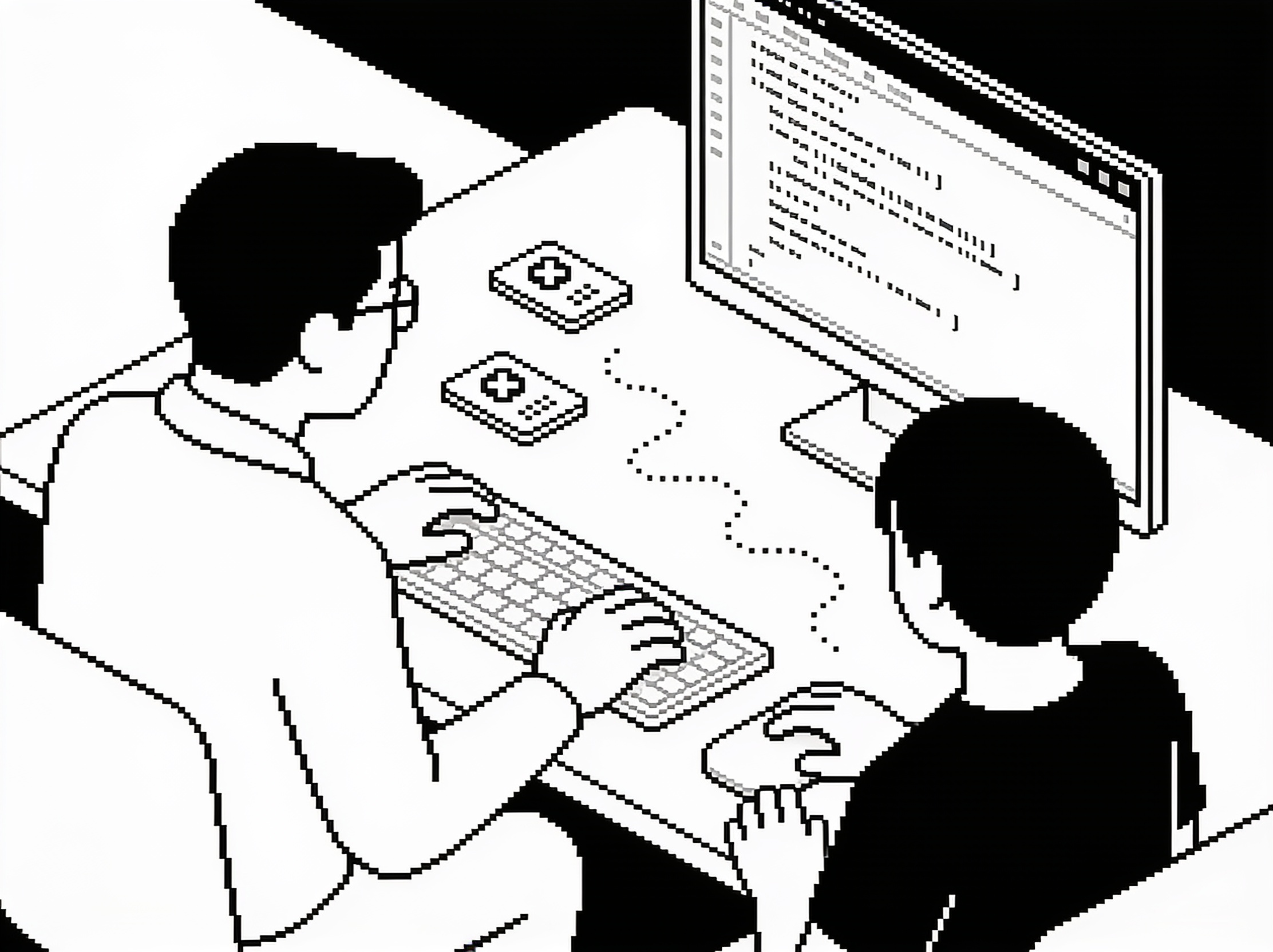
Coding agents remove friction. That is useful, but it can also skip the work where mental models form: predicting behavior, reading errors, writing the one line that matters, and explaining why a change works.
The app ships, but the codebase stays opaque when the agent owns every decision.
Velocity rises, but unfamiliar systems can still turn into copy-and-accept work.
LearnThat does not take over the coding agent. It gives the agent one coaching tool: generate a short challenge when tests, builds, installs, searches, or deploys are already running.
Ask for a prediction or risk call tied to the current task.
Invite the user to write or explain a tiny meaningful piece.
Record concepts, answers, snippets, and verification habits.
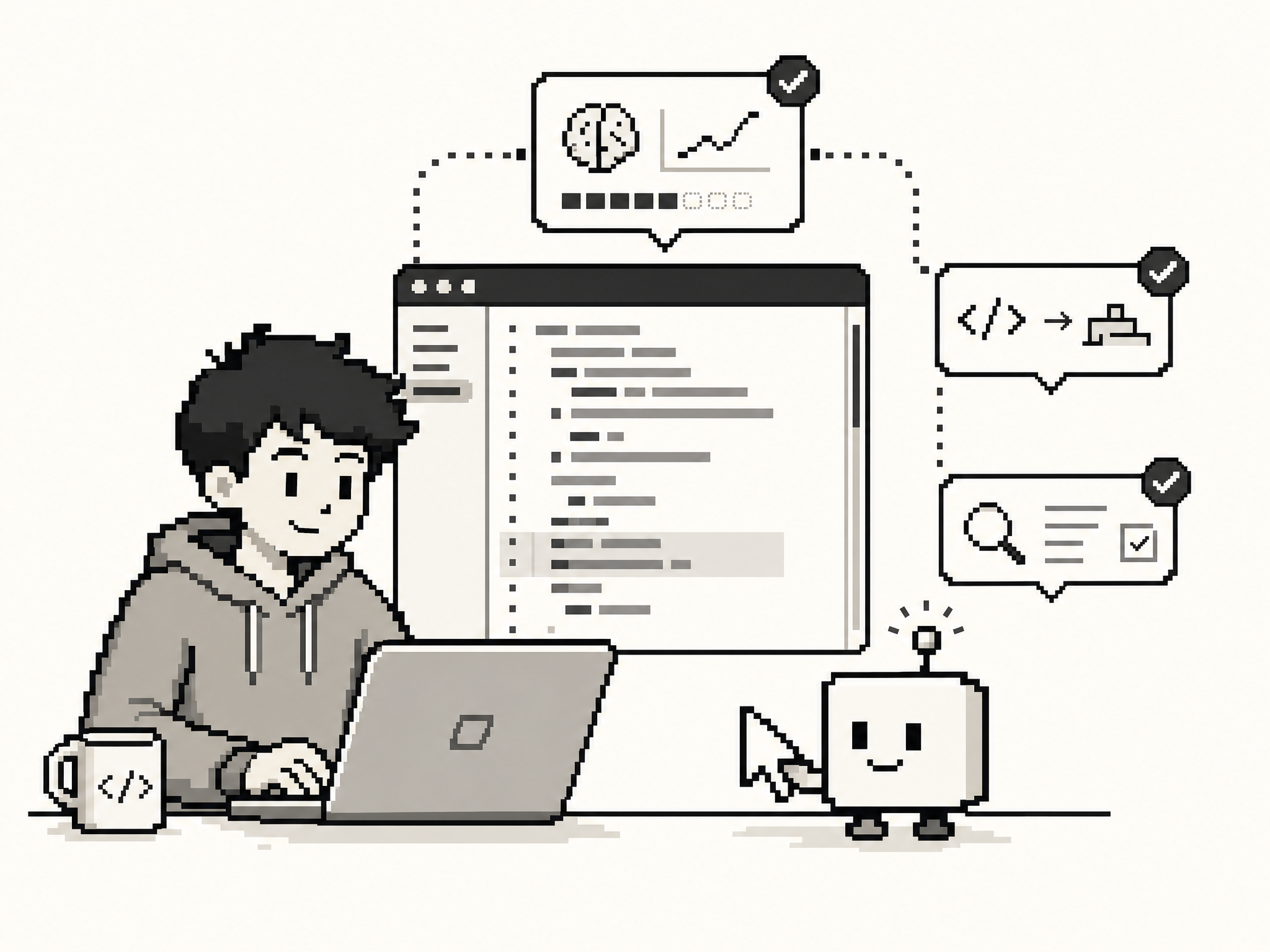
A good prompt is short enough to answer without derailing the task. The agent can ask a question, multiple-choice quiz, prediction, tiny snippet, debug prompt, or critique, then keep moving.
Questions stay optional and tied to the file, error, or diff already in front of the user.
Answers and snippets become signals for the next challenge instead of dead chat history.
The agent keeps progress moving. Challenges adapt from the task, current concept, available wait time, and the amount of context already on screen.
Events land in a durable analytics store so schools, teams, and solo builders can see whether learning is improving over time.
Copy the MCP URL, add it to your client, and let your next coding session include small programming checks instead of passive code acceptance.
https://learnthat-mcp-3bqygzrtsa-uc.a.run.app/mcp